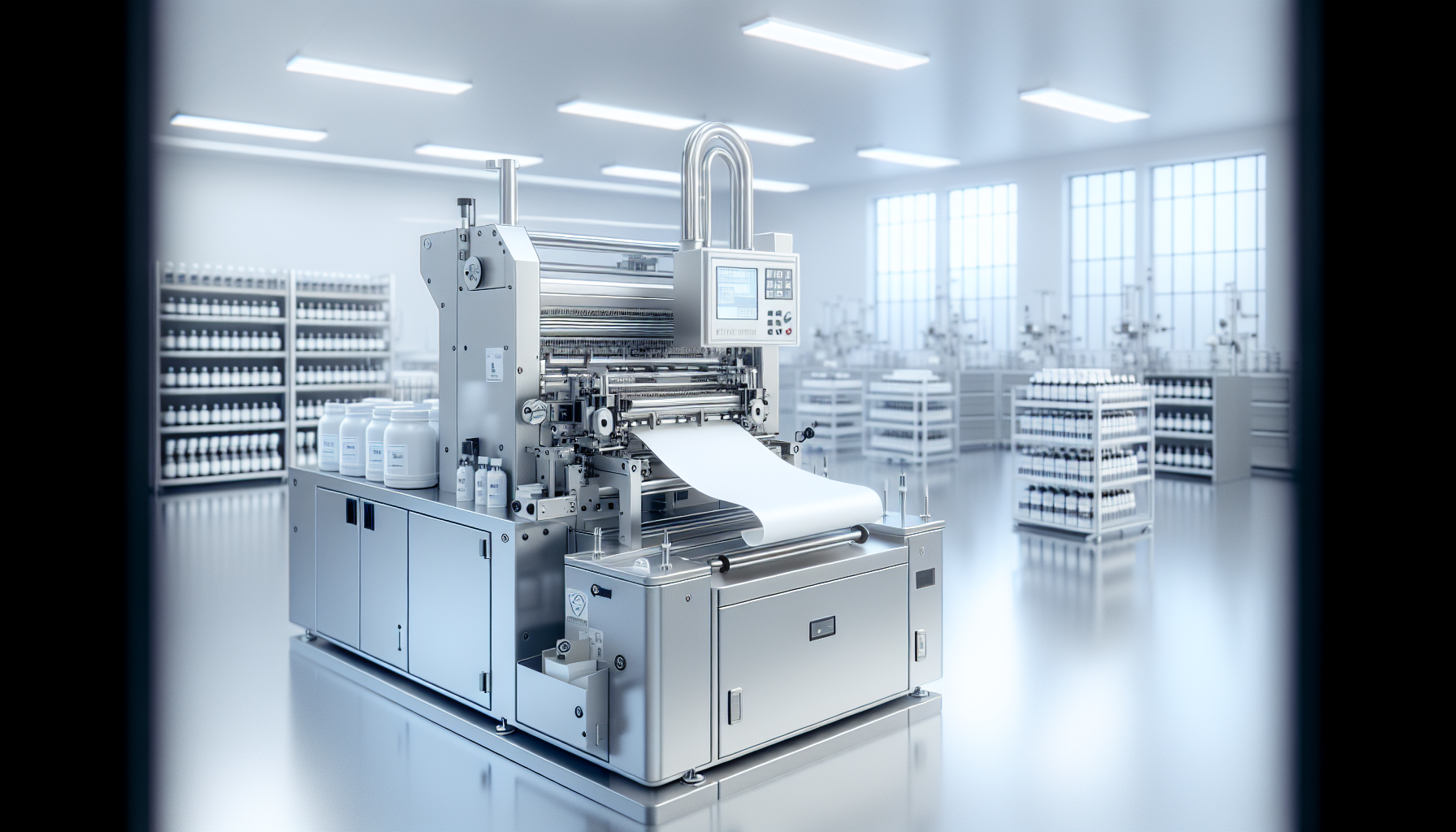
What's New in Packaging Machinery Selection: 2026 Industry Update
Pharmaceutical packaging machinery selection in 2026 means embracing AI-driven automation, serialization compliance, and flexible modular designs for blister, liquid filling, cartoning, labeling, and capping lines, all while navigating updated FDA and EU GMP regulations. Industry data from 2026 confirms manufacturers are investing for efficiency—with robust validation protocols and sustainability integration now considered baseline requirements.
Sound like a lot to manage? Maybe. But this year, staying ahead is about blending regulatory readiness, technical innovation, and sharp operational data—never just picking by catalog price or established brand. After all, in 2026, the penalties for missteps are steeper and the gains for the right investment choice bigger than ever.
Let’s break through the jargon and zero in on exactly what’s changed, what’s working (and what’s not), and actionable steps every decision-maker should take for pharma, life sciences, and even cosmetic packaging capital buys this year.
- Automation, serialization, and modular flexibility define the best-in-class packaging lines in 2026
- FDA 21 CFR, EU GMP Annex 1, ISO 15378: all have explicit packaging equipment mandates—ignore them at your own risk (fines, recalls, and lost market access are real)
- Expect payback periods of just 1-2 years for automation investments, largely driven by OEE improvements up to 30%
- CPO/CMO partnerships: success means demanding proven uptime, compliance, and serialization support from day one
- Validation (IQ/OQ/PQ) takes an average of 3–6 months but is non-negotiable for new machinery acceptance in regulated markets
📊 By the Numbers - Pharma Packaging Machinery in 2026
- 💵 Global market size: USD 7.58–6.45 billion (2026), with 6–7.6% CAGR growth ( & , 2026)
- 🤖 30% higher output and 20–30% waste reduction with robotics and Industry 4.0 (Intel Market Research, 2026)
- 🔄 8.5% CAGR for modular/personalized lines; rapid changeovers in <15 minutes standardizing
- 🌎 Asia-Pacific leads global adoption due to 12% device manufacturing growth (Intel Market, 2026)
- ⚖️ Typical FDA/EMA penalties for serialization failures: up to millions per infraction
What Are the Key Regulatory and Compliance Changes Impacting Packaging Machinery Selection in 2026?
The biggest updates for pharma packaging machinery selection in 2026 stem from both stricter FDA 21 CFR Parts 210/211 and the recently updated EU GMP Annex 1, heavily influencing equipment validation, serialization, and documentation requirements. Ongoing DSCSA (US) and FMD (EU) enforcement demand end-to-end track-and-trace, and newer ISO and USP chapter updates further define how machinery must support product safety and audit transparency.

What does that really mean for an engineering or production team picking a new line? It’s not just about running product efficiently now—every piece of the machinery must support indelible product tracking, data integration, and robust cleaning protocols. Ignoring one of these facets? Think warning letters, recalls, or criminal penalties—much more severe since DSCSA reached full implementation in the US (2023+, with continuing interoperability targets now in effect).
Let’s break down how these standards affect real capital buy choices.
- FDA 21 CFR Parts 210/211: Absolutely everything in a packaging suite must meet CGMP—right down to change part serialization traceability. The FDA expects complete audit trails, cross-referenced against digital batch records.
- DSCSA & FMD: DSCSA enforcement is now unit-level and real-time in 2026—automation is required for full compliance. FMD means codified 2D serialization on every retail pack—manual inspection alone is no longer compliant in auditors’ eyes.
- ISO 15378/ISO 11607/USP: Adds enforceable definitions for packaging (primary, labeling, barrier), making machinery selection depend on documented material/process compatibility—not just generic production claims.
Real-World Example
A mid-size oral dosage producer in the US received two FDA 483s (2026) for failing to link their modular cartoning machine’s print verification camera logs to the plant digital record system—even though output was otherwise GMP-clean. They lost two months and reran 21 batches.
How Do Advances in Blister, Liquid Filling, Cartoning, Labeling, and Capping Machinery Shape Pharma Packaging in 2026?
Advances in key packaging machinery types in 2026 mean buyers must factor in modular setups, robotics, and AI-driven visual inspection as non-negotiables. According to industry sources, blister modules now support 2x faster changeovers, sterile liquid fillers use AI for real-time GMP controls, and robotic cartoners handle high-speed SKUs with integrated serialization.Here’s what stands out—for those actually running lines today:
- Blister packaging lines feature rapid “tool-less” swaps (under 15 minutes) and integrated machine vision. Sustainable foil and compostable polymer are truly running at scale without major OEE loss.
- Liquid fillers use peristaltic or time-pressure dosing—with robotics routinely handling closed-vial or syringe filling inside isolators. The best lines now auto-detect dosing error or particulate risks, flagging OOS right at fill.
- Cartoning modules are adopting gentle, robotic folding for odd-sized or personalized packs, plus print/apply labeling and built-in serialization tunnels.
- Labeling and capping integrate vision verification, torque measurement, and “digital twins” to simulate performance before actual line ramp-up.
| Machinery Type | Key 2026 Advancements | Vendor-Neutral Comparison |
|---|---|---|
| Blister | AI inspection, green foils | Modular vs. fixed: modular = 2x faster changeovers |
| Liquid Filling | Sterile robotics, AI monitoring | Peristaltic vs. time-pressure: peristaltic ±0.5% precision |
| Cartoning | Robot folding, tracking integration | Continuous motion: >400/min, best for volume & track-trace |
| Labeling | Vision, serialization, AI coding | Print-apply: optimal for compliance-ready variable data |
| Capping | Torque automation, error checks | Auto cappers reduce human error by 40% |
And sustainability’s not an afterthought. I’ve seen modular lines run both standard PVC/ALU blisters and compostable polymer foils during the same shift—with environmental compliance documentation all in one batch record. This never happened pre-2024. Expect this agility to become a make-or-break for both QA and procurement teams.
"Automation and Industry 4.0 integration are revolutionizing the Medical Packaging Machinery Market. Smart packaging systems with AI-driven quality control reduce human error and increase efficiency."— Intel Market Research, 2026
Which Packaging Line Automation and Robotics Solutions Offer the Best ROI and Efficiency Gains in 2026?
Industry 4.0 automation and robotics drive the highest ROI and efficiency gains for pharma packaging lines in 2026, typically enabling performance jumps of 20–30% OEE and changeover times under 15 minutes, according to latest market analytics. Robotics-for-sterile packaging and predictive maintenance are now investment priorities, with modular, reconfigurable systems spreading fastest among top buyers. Here's the game-changer: Predictive downtime analytics and digital twins are now integrated into even mid-market systems—letting you preempt failures, boost uptime, and hit target lot release times reliably, not just aspirationally. In real terms, modular lines enable 98%+ uptime, and buyers consistently report 1–2 year paybacks. Standard benchmarks for ROI-driven line upgrades:- IoT/Predictive Analytics: Integrated sensors feed live OEE and failure prediction dashboards; 24/7 data finally worth trusting.
- Robotics: For both open and closed isolator lines. Reduces human cleaning risk, boosts batch output (20–30%), and is required for true 24/7 cold-chain lines.
- Modularity: Drag-and-drop change part upgrades or station swaps for new SKUs—directly impacting batch cycling compliance scores.
| Technology | OEE Boost (%) | Waste Reduction (%) | Typical Changeover (min) | Regulatory Compliance Impact |
|---|---|---|---|---|
| Full Robotics | 30 | 25 | 10–15 | DSCSA/FMD serialization builtin |
| Modular Automation | 20–28 | ~20 | 12–20 | ISO 15378-aligned, GMP logging |
| Print/Camera Link | 12–20 | 10 | <15 | Real-time product traceability |
What Are the Best Practices for Packaging Validation Protocols (IQ, OQ, PQ) in Pharmaceutical Machinery?
Best practice for IQ/OQ/PQ validation in 2026 is to execute rigorous, step-wise testing: first confirming correct equipment installation, next ensuring operational function against ISO and GMP standards, and finally demonstrating process performance through at-scale batch trials—every step cross-documented for real-time audit readiness, with digital QA integration now the norm.
- Installation Qualification (IQ):
- Operational Qualification (OQ):
Systematically challenge all key settings: dose accuracy (liquid), seal verification (blisters), print registration (cartons), and reject mechanisms. Be sure to run with worst-case production parameters—not just “ideal” settings.
- Performance Qualification (PQ):
Prove the full line performs under cleanroom and full staffing/shift variation, including environmental monitoring, and that batch traceability holds up through serialization cycles.
Typical timeline for full packaging machinery validation in 2026:- Simple module upgrades: 8–12 weeks (can often run in parallel with legacy line)
- Full new line installs: 3–6 months for IQ/OQ/PQ, assuming regulatory consultation included (most experts now expect digital validation records to be generated in tandem with physical testing)
How Should Pharma Manufacturers Address Cleanroom and Aseptic Packaging Requirements When Selecting Machinery?
Selecting packaging machinery for cleanroom and aseptic use in 2026 requires features like fully enclosed, low-particulate designs, HEPA/ULPA filtration, and direct data integration for environmental monitoring to comply with EU GMP Annex 1 and FDA sterile guidance. Machinery must be clean-in-place-friendly, and compatible with ongoing cold chain or temperature-sensitive production environments.
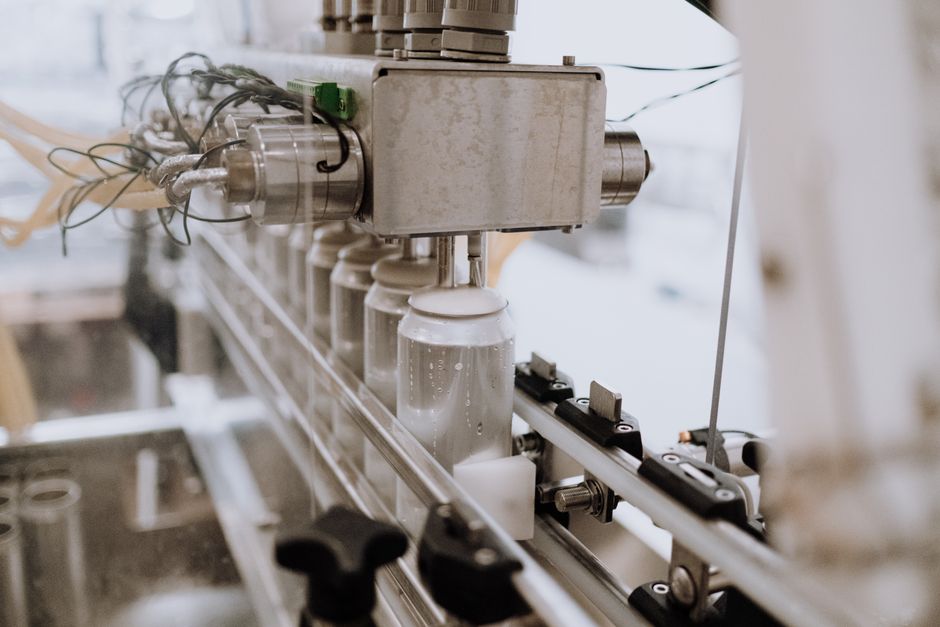
Okay, everyone says their machines are “GMP-cleanroom ready.” But buyers know what counts: blisters, vials, and bottles handled entirely inside form-fill-seal, robotic, or RABS/isolator environments. For aseptic, every ingress/egress path must be validated (<0.6 micrometers particulate standard), and sample and reject systems must seal during operation.
- Filtration: HEPA/ULPA modules at both air entry and point-of-use dosing/conveyance.
- Material compatibility: Stainless 316L or passivated aluminum, nothing more “chromed” for show.
- Cold chain handling: Robotics setups able to run 2-8°C and -20°C products without dewing, line jams, or print smearing. Clutches must have full OEE/meters-of-life logs.
For monitoring and documentation:
- Integrated sensors logging dust, particulate, and temperature
Digital records for each cleaning and maintenance event
Those thinking of biologics or device comailing—robust cleanroom compliance is a precondition now, not a “bonus” spec.
What Are the Emerging Trends in Sustainable and Eco-Friendly Pharmaceutical Packaging Materials and Machinery?
Sustainable packaging in 2026 pharma draws on compostable polymers, recyclable foils, and machines adapted for ‘green’ material running. Industry data shows over 56% of outputs by top global producers now meet at least one formal sustainability claim, while modular lines optimize changeover to greener substrates without sacrificing output.
- Sustainable polymers and foils: Machines run with digital heat/cool curves, tested for new compostable and mono-material components—even in high-volume OEE environments.
- Upstream planning: Modular lines allow dual-use: conventional ALU/ALU blister formats and the latest recycled/plant-based composites, validated in the same batch record.
- Cold chain innovation: Robotics supporting cold-to-warm cycles with smart packaging, reducing transport and disposal emissions at the global QA level.
"35% of primary injectable packaging is now non-glass, up from 22% in 2021; and 56.3% of outputs globally now meet at least one verifiable sustainability claim."— Global Packaging Analytics, 2026
How Can Pharma Packaging Lines Optimize OEE, Changeover Speed, and Format Flexibility in 2026?
Maximizing OEE, rapid changeovers (<15 minutes), and diverse format handling are must-haves for packaging lines in 2026, achievable via modular machine architectures, real-time monitoring, and standardized digital batch documentation. Modern lines regularly exceed 85% OEE—whereas even 72–78% was considered a win five years ago.These are the hard-won secrets any packaging engineering or ops lead should know:
Benchmark all new equipment against true OEE under live production settings—food and beverage OEE means very little for low-rejection pharma.
Equip both infeed and outfeed for tool-less changeover; parts are coded (via RFID or QR) for compliance logging.
Use automated sensors to validate first-batch and pre-release lots—and tie into real-time, cross-shift QA reporting.
Use automated sensors to validate first-batch and pre-release lots—and tie into real-time, cross-shift QA reporting.
Teams regulating OEE and format swaps for multi-SKU, multi-market production almost always:
Pilot new lines on hardest-to-run SKUs first (odd sizes, lowest dwell)
Track and report OEE by batch and SKU/lane, not by shift aggregate
Advance maintenance windows based on usage analytics, not static spreadsheets
What Should Pharma Companies Consider When Selecting and Managing Contract Packaging Organizations (CPOs/CMOs)?
CPOs/CMOs selection in 2026 is all about proof of compliance, SLA-driven quality metrics, and demonstrated serialization integration for both GMP and DSCSA/FMD requirements. Don’t just buy based on price—audits now demand end-to-end digital samples and full trace logs for every external partner.
Key steps for buyer review:
- Demand documented evidence of compliance (multiple years’ annual audit trails, not glossy customer brochures)
- Verify serialization strategy and output sample, matched to client track-trace for at least two sample SKUs
- Review uptime and reject rates independently audited (98%+ expected)
- Demand cold chain performance data if any temperature-sensitive fill or comailing is included
- Audit packaging line validation records (digital or original), updated for 2026 compliance
💡Pro Tip: Insist your CPO/CMO submit their own real-world batch OEE data per SKU, and tie bonus/penalty schedules to compliance deviations—not just delivery timelines.
What Are the Practical Steps to Selecting, Implementing, and Validating New Pharmaceutical Packaging Machinery in 2026?
In 2026, the most effective selection process for new packaging machinery follows a structured approach blending technical, regulatory, and operational priorities—from gap assessment, to specification drafting, to full validation.
🔧 Implementation Checklist:
Advance maintenance windows based on usage analytics, not static spreadsheets
What Should Pharma Companies Consider When Selecting and Managing Contract Packaging Organizations (CPOs/CMOs)?
CPOs/CMOs selection in 2026 is all about proof of compliance, SLA-driven quality metrics, and demonstrated serialization integration for both GMP and DSCSA/FMD requirements. Don’t just buy based on price—audits now demand end-to-end digital samples and full trace logs for every external partner.
Key steps for buyer review:
- Demand documented evidence of compliance (multiple years’ annual audit trails, not glossy customer brochures)
- Verify serialization strategy and output sample, matched to client track-trace for at least two sample SKUs
- Review uptime and reject rates independently audited (98%+ expected)
- Demand cold chain performance data if any temperature-sensitive fill or comailing is included
- Audit packaging line validation records (digital or original), updated for 2026 compliance
💡Pro Tip: Insist your CPO/CMO submit their own real-world batch OEE data per SKU, and tie bonus/penalty schedules to compliance deviations—not just delivery timelines.
What Are the Practical Steps to Selecting, Implementing, and Validating New Pharmaceutical Packaging Machinery in 2026?
In 2026, the most effective selection process for new packaging machinery follows a structured approach blending technical, regulatory, and operational priorities—from gap assessment, to specification drafting, to full validation.
🔧 Implementation Checklist:
✅ Step 1: Assess packaging line OEE, changeover pain points, and compliance gaps against 21 CFR and regional standards ✅ Step 2: Develop technical specs focusing on modular and automation-ready machine features ✅ Step 3: Issue formal RFP, prioritize suppliers meeting new materials/run validation evidence ✅ Step 4: Conduct IQ/OQ/PQ (installation-operation-performance qualification), working with cross-functional QA, production and regulatory ✅ Step 5: Monitor batch-specific OEE and waste for continuous improvement, not just during commissioning

Notice: the pain in this process comes from under-resourcing validation, or shortcutting floor staff training (the number one source of post-go-live hiccups). Set aside 20–30% of your total project CAPEX for validation, documentation, and unbudgeted timeline shifts—this is now industry standard, not “extra cautious”.
What Does the Future Hold for Pharmaceutical Packaging Machinery Beyond 2026?
Pharmaceutical packaging machinery is expected to integrate real-time AI/ML quality assurance, advanced sustainability-by-design, and expanded regulatory harmonization features moving into 2027 and beyond. Offers in emerging markets (India, Brazil, Vietnam) will drive both production scale and new compliance technology.AI-powered in-line vision will cut conventional inspection costs by over 30%.
Sustainability will mean end-to-end recyclable systems for both containers and outer shells.
Regulatory updates (such as ongoing DSCSA/FMD evolutions) will push for direct-from-line e-documentation and faster batch release tied to live audit portals.
Format flexibility will be the competitive edge, supporting patient-specific medicine and global “hybrid lot” management.
Regulatory updates (such as ongoing DSCSA/FMD evolutions) will push for direct-from-line e-documentation and faster batch release tied to live audit portals.
Format flexibility will be the competitive edge, supporting patient-specific medicine and global “hybrid lot” management.
Management teams planning capital spend past 2026 should model OEE trajectory and compliance cost as core decision criteria—not just throughput (volume).