
How Packaging Cost Reduction and Waste Minimization Is Evolving in 2026: Key Trends
The smartest buyer teams in pharma, life sciences, and cosmetics manufacturing know that 2026 is a tipping point for packaging cost reduction and waste minimization. Material costs, sustainability mandates, and regulatory pressures are rising—forcing real action. This year brings a new wave of innovation, with flexible mono-material designs, circular initiatives, and smart procurement becoming standard.
What’s really changing? A lot, honestly. The numbers tell the story: In 2026, sustainable pharma packaging hits USD 99.60 billion—and still growing fast. Even small adjustments like eliminating extraneous cartons or shaving weight from vials mean millions in annual savings across high-volume lines. But the real gains? They're tied to compliance—meeting everything from the DSCSA to EU GMP Annex 1 and sustainability ROI.
- Pharma packaging cost reduction in 2026 is driven by material minimization, digitalization, and circularity initiatives.
- Waste minimization isn’t just eco-friendly—it now cuts 10–20% from waste disposal budgets for top performers.
- Comprehensive audits of carton, leaflet, and overwrap usage lead to fast, measurable savings.
- Buyers who invest in mono-materials and lightweight designs report up to 12% lower transport emissions and improved recyclability.
- Regulatory alignment accelerates ROI—especially for serialization, tamper-evidence, and material switching programs.
Sound a little overwhelming? Hang on. By the end of this article, you'll know exactly what’s changed, what works (and what doesn’t), and how to frame the right ROI case for your team and management in 2026.
Why Is Packaging Cost Reduction and Waste Minimization a 2026 Buyer Imperative?
Packaging cost reduction and waste minimization are top priorities for pharmaceutical and life sciences buyers in 2026 because of soaring raw material prices, tightening regulatory oversight, and corporate sustainability goals. Industry data shows comprehensive waste minimization programs now routinely slash disposal costs by 10-20% over three years, while sustainable choices directly influence supplier eligibility for high-volume contracts.
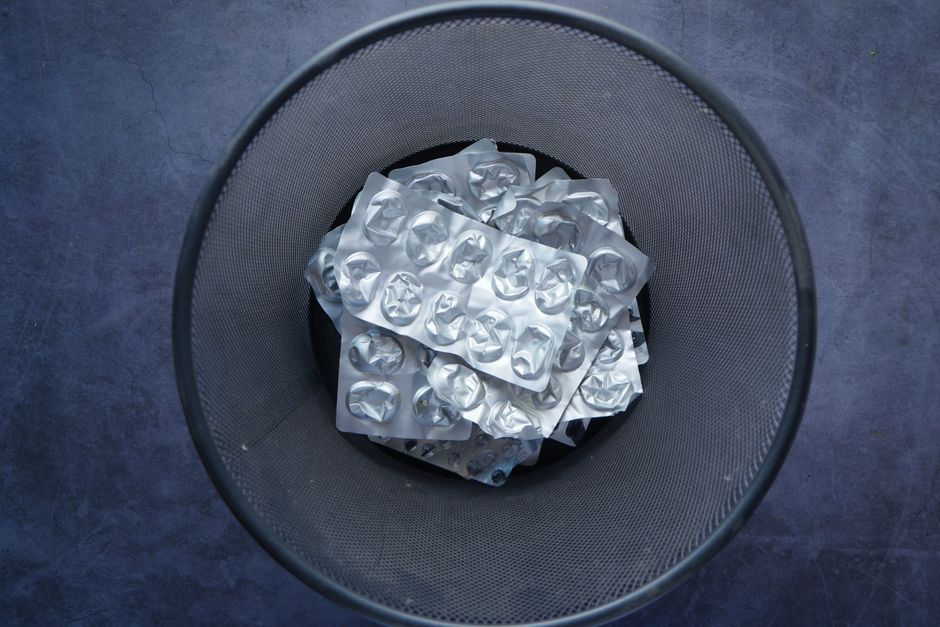
Here’s the thing: cost-cutting and waste limits aren’t just nice-to-haves anymore—they’re make-or-break for operational budgets and audit readiness. Let’s call out a few factors:
- Material inflation hasn’t slowed. Plastic pricing (especially pharmaceutical grades) remains historically high, hitting buyers in every sector.
Regulatory deadlines have arrived. DSCSA and FMD serializations, plus increased scrutiny under updated EU GMP Annex 1 and ISO 15378 standards, mean every component counts.
- Corporate sustainability indices—yes, procurement is now responsible for tracking and reporting progress.
I've seen more buyers than ever shift from a “let’s get the best price” mindset to a total cost and compliance analysis. Old strategies won’t cut it. What’s really interesting is seeing which cost-reduction tactics actually create measurable value.
"Recent trends confirm buyers are stepping up. Pharma groups deploying waste-minimizing packaging operations cut landfill-bound materials by up to 50% in just three years."— European Pharmaceutical Packaging Markets Update, 2026
So, it’s not just sustainability speak—it’s directly linked to bottom-line performance, risk management, and regulatory peace of mind.
What Are the Key Benefits from 2026’s Packaging Cost and Waste Evolution?
Switching to modern, streamlined packaging is saving pharma manufacturers millions, fast. In 2026, the benefits extend far beyond material spend. Buyers are gaining regulatory resilience, lower emissions, greater supply chain flexibility, and even improved product protection—all of which directly impact ROI and compliance reporting.Tangible Financial & Regulatory Wins
We—you know, the cost hawks—want numbers, not theory. Here’s what teams are actually getting from current best-in-class approaches:
- Direct cost cuts: One large-scale hospital program (2025) saw 10–20% waste disposal savings within three years—no wild tech overhaul required.
- CO2 & transit savings: 12% transport emission reductions are achieved merely by lightweighting vials and shifting to mono-material formats for high-volume lines.
- Audit risk reduction: According to supplier audits, eliminating printed leaflets and outer cartons led to fewer device/labelling non-conformances, trimming rework and recall exposure.
Softer, but Seriously Valuable, Side Effects
Here’s what most spreadsheets miss:
High-barrier designs (think: no unnecessary overwraps) mean better throughput—fewer speed, jam, or manual inspection slowdowns.
Buyer-side leadership cred for ESG reporting. Yes, supply teams are now regularly commended in annual sustainability disclosures.
💡Pro Tip: Don’t undervalue supplier engagement! Major equipment OEMs and material converters will co-develop lighter, compliant packages—but only if buyers push early with explicit waste targets. The best results come from setting joint KPI dashboards before spec and tech trials begin.
How Are 2026 Buyers Actually Achieving Packaging Cost Reduction and Waste Minimization?
Leading buyers in 2026 get results by combining bottom-up material audits, technology benchmarking, and regulatory gap analyses to remove excess packaging and drive down waste. Key practices include streamlining SKUs, transitioning to mono-material components, and demanding full recyclability or take-back programs from suppliers.
Still think “best practice” means rigid standard operating procedures? The reality: the most effective teams use a blend of evidence-driven approaches, including:
- Material Consumption Baselines
Auditing monthly consumption by SKU, carton, overwrap—and flagging obvious outlier components (the “wait, why do we still use this?” items).
Fact: Transparent reporting is now possible across more ERP/MES platforms than ever, yet only 40-50% of teams actually use this to drive active SKU reduction.
- Mono-Material & Lightweight Conversion
Replacing complex, often multi-layered packs with mono-material (polypropylene, PET, or advanced bio-plastics) builds. It’s the single most effective way to cut sorting time, optimize recycling, and lower costs. Recyclable plastics now make up 43.93% of global pharma packaging by value in 2026.
- Remove anything extraneous. This means leaflets are moving to QR or smart label formats, printing shrinks, and ligatures go digital wherever allowed.
- Supplier Collaboration and Incentive Alignment
Insisting that material converters, print shops, and packagers submit multi-year waste performance plans as part of every annual review.
- Setting contract KPIs based on total packaging used per 1,000 units—far more effective than generic “price per unit” tracking.
- On-Site and Supply Chain Segregation
Physically separating recyclable from waste materials at line-side, which raises actual recycling rates (proven, year after year).
For lines with returnable or refillable amploules, teams are seeing 8-12% supply cost cuts within 24 months.
Industry Practiced “Quick Wins” in 2026
Drop under-tray booklets—move instructions to responsive QR/online formats
Use fewer, but higher barrier, mono-material films (combine lidding and base)
Negotiate lower minimums for specialty components to avoid overstock
Test smaller form-factor vials and bottles for short-cycle, specialty batches
⚠️Common Mistake: Rushing straight to “eco” materials without line compatibility trials. Many buyers have found that switching, say, to a bio-plastic blister led to massive downtime, print bleed, or heat-sealing issues because packaging lines weren’t profiled for new friction/thermal characteristics. Always execute small-scale pilot runs and measure OEE before a full rollout.
Which Strategies Deliver Maximum ROI in 2026 Packaging Cost Reduction?
For lines with returnable or refillable amploules, teams are seeing 8-12% supply cost cuts within 24 months.
Industry Practiced “Quick Wins” in 2026
Drop under-tray booklets—move instructions to responsive QR/online formats
Use fewer, but higher barrier, mono-material films (combine lidding and base)
Negotiate lower minimums for specialty components to avoid overstock
Test smaller form-factor vials and bottles for short-cycle, specialty batches
⚠️Common Mistake: Rushing straight to “eco” materials without line compatibility trials. Many buyers have found that switching, say, to a bio-plastic blister led to massive downtime, print bleed, or heat-sealing issues because packaging lines weren’t profiled for new friction/thermal characteristics. Always execute small-scale pilot runs and measure OEE before a full rollout.
Which Strategies Deliver Maximum ROI in 2026 Packaging Cost Reduction?
Drop under-tray booklets—move instructions to responsive QR/online formats
Use fewer, but higher barrier, mono-material films (combine lidding and base)
Negotiate lower minimums for specialty components to avoid overstock
Test smaller form-factor vials and bottles for short-cycle, specialty batches
⚠️Common Mistake: Rushing straight to “eco” materials without line compatibility trials. Many buyers have found that switching, say, to a bio-plastic blister led to massive downtime, print bleed, or heat-sealing issues because packaging lines weren’t profiled for new friction/thermal characteristics. Always execute small-scale pilot runs and measure OEE before a full rollout.
Which Strategies Deliver Maximum ROI in 2026 Packaging Cost Reduction?
Negotiate lower minimums for specialty components to avoid overstock
Test smaller form-factor vials and bottles for short-cycle, specialty batches
⚠️Common Mistake: Rushing straight to “eco” materials without line compatibility trials. Many buyers have found that switching, say, to a bio-plastic blister led to massive downtime, print bleed, or heat-sealing issues because packaging lines weren’t profiled for new friction/thermal characteristics. Always execute small-scale pilot runs and measure OEE before a full rollout.
Which Strategies Deliver Maximum ROI in 2026 Packaging Cost Reduction?
The best-performing 2026 cost-reduction strategies are those integrating regular material audits, actionable waste metrics, smart technology planning, and robust supplier KPIs. Successful teams show measurable cuts—10-20% waste savings, 8-12% transportation boosts, and faster defect resolution rates, all while staying on the right side of FDA and EU/ISO regs.
| Tactic | Typical Savings (Year 1) | Key Challenges | Regulatory Impact |
|---|---|---|---|
| Mono-material conversion | 8-12% line material cost | Change validation, downtime | + GMP reporting |
| SKUs & packaging audit | 5-18% waste disposal | Data, change management | + DSCSA |
| Removal of secondary/leaflet carton | 4-10% packaging budget | Note: Labeling regulations | - |
| Real-time waste segregation | 10-20% waste haulage fee | Staff training, audit time | + ISO 15378 |
| Circular/returnable programs | 8-15% supply cost | Logistics, buy-in | + audit scoring |
Notice—they’re complementary. Packaging teams regularly layer tactics to supercharge savings.
Sneaky-Effective Buying Steps
Use “waste per lot” as a vendor comparison metric—years ago, barely anyone scored print/packaging vendors on this basis. Today it’s essential.
Round up eligible lines and components for cross-company take-back pilots (even small-scale pilots are tick-box winners for audit season).
Document pre- and post-pilot waste and cost data—that’s how teams earn continued capital budgeting.
"Every time a procurement team combines routine SKU audits with switchable mono-materials, landfill waste drops by an additional 3-4% across primary SKUs the following quarter."
— Global Packaging Analytics, 2026 Q2 Update
What Are the Biggest Challenges Facing Packaging Cost Reduction and Waste Minimization in 2026?
Round up eligible lines and components for cross-company take-back pilots (even small-scale pilots are tick-box winners for audit season).
Document pre- and post-pilot waste and cost data—that’s how teams earn continued capital budgeting.
"Every time a procurement team combines routine SKU audits with switchable mono-materials, landfill waste drops by an additional 3-4% across primary SKUs the following quarter."
— Global Packaging Analytics, 2026 Q2 Update
What Are the Biggest Challenges Facing Packaging Cost Reduction and Waste Minimization in 2026?
— Global Packaging Analytics, 2026 Q2 Update
While 2026 brings new solutions, the most common obstacles are regulatory uncertainty, complex multi-material formats, stale supplier partnerships, and entrenched cost-tracking habits. Many buyers find getting past these hurdles is harder than the technical transition itself.
Top Roadblocks for Buyer Teams
- Conflicting global requirements: Take the endless shift between US, EU, APAC standards. A pack that’s waste-minimizing and ready for US or EU launch may fumble on unique Asia-Pacific import regs—or country-specific leaflet mandates. Juggling compliance creates real inertia.
- Multi-material legacy formats: I've watched lines stick with 5+ layer builds (think: alu-laminate plus insert, plus PVC tray, etc.) long past their sell-by date simply because teams worry about downtime, risk, and retrain costs.
- Valued supplier inertia: Vendors may remain “top-tier” in the old sense but lag on digital proofs, waste take-back schemes, or integrating with updated ERP traceability systems. And when they do get onboard, the devil's in the details: who pays for tool/die adaptation, who manages QR onboarding, etc.
- Cost reporting limitations: Let’s be real—plenty of sites still track by catalog price, not true landed cost (including haulage, reject, and landfill fees).
“Classic Mistakes” Heads Up
Not auditing overwrap or label redundancy (just tackling cartons is never enough)
Launching leafletting reductions before securing regulatory variances
Assuming print efficiencies in digital-formats are automatic (not always!)
Ignoring the post-series recall risks tied to unfamiliar material migration or barrier changes
Three Technical Trouble Spots (that buyers often miss):
- Thermal sealing tolerance on new bio-based films (trips up OEE).
Batch splitting/incompatibilities for dual-market products (especially EU vs North America).
Serialization and label code readability on recycled or tinted substrates.
Quick Reality Check:
- Only 36% of procurement teams report full buyer-supplier waste performance transparency (down 8% from 2023).
- 43.93% of global packaging market share is now recyclable plastic—but the legacy landfill split is still stubbornly above 60% for old lines.
How Is Circular Economy Adoption Rolling Out in Pharma & Life Sciences in 2026?
Launching leafletting reductions before securing regulatory variances
Assuming print efficiencies in digital-formats are automatic (not always!)
Ignoring the post-series recall risks tied to unfamiliar material migration or barrier changes
Three Technical Trouble Spots (that buyers often miss):
- Thermal sealing tolerance on new bio-based films (trips up OEE).
Batch splitting/incompatibilities for dual-market products (especially EU vs North America).
Serialization and label code readability on recycled or tinted substrates.
Quick Reality Check:
- Only 36% of procurement teams report full buyer-supplier waste performance transparency (down 8% from 2023).
- 43.93% of global packaging market share is now recyclable plastic—but the legacy landfill split is still stubbornly above 60% for old lines.
How Is Circular Economy Adoption Rolling Out in Pharma & Life Sciences in 2026?
Ignoring the post-series recall risks tied to unfamiliar material migration or barrier changes
Three Technical Trouble Spots (that buyers often miss):
- Thermal sealing tolerance on new bio-based films (trips up OEE).
Batch splitting/incompatibilities for dual-market products (especially EU vs North America).
Serialization and label code readability on recycled or tinted substrates.
Quick Reality Check:
- Only 36% of procurement teams report full buyer-supplier waste performance transparency (down 8% from 2023).
- 43.93% of global packaging market share is now recyclable plastic—but the legacy landfill split is still stubbornly above 60% for old lines.
How Is Circular Economy Adoption Rolling Out in Pharma & Life Sciences in 2026?
Serialization and label code readability on recycled or tinted substrates.
Quick Reality Check:
- Only 36% of procurement teams report full buyer-supplier waste performance transparency (down 8% from 2023).
- 43.93% of global packaging market share is now recyclable plastic—but the legacy landfill split is still stubbornly above 60% for old lines.
How Is Circular Economy Adoption Rolling Out in Pharma & Life Sciences in 2026?
Circular economy models like refillable, returnable, or post-use take-back formats are spreading fast in 2026. Refillable and returnable systems are now driving 8–15% cost reductions for large buyers—with pilots scaling especially in vials, pill bottles, and pharma distribution containers.
But who's actually benefiting? In practice, national chains and mid-tier manufacturers have begun to focus on first runs with compact injectable vials, where collection networks and cleaning procedures support re-use. It's tricky—fully validated and regulatory-cleared programs require robust, routine documentation. But the upside is worth it: lower per-use cost, demonstrably lower landfill volumes, and often, global supply teams can reclaim 100,000+ program components a year.
Funny enough, the human factors are as central as the technologies—success hinges on clear comms, meaningful deposit/refund systems, and proactive logistics with pharmacy chains or distribution partners. The moment circularity pilots mature (past the “write-off/mistake” stage), corporate social responsibility reports amplify procurement wins—turning pilot launches into company-wide ESG case studies.What Are the Key Performance Metrics and Analytics to Track Packaging Cost Reduction Initiatives in 2026?
In 2026, buyers quantify packaging cost reduction and waste progress using metrics like total cost-per-1000 units, landfill disposal volume, return rate, mono-material conversion % per SKU, transport CO2 cut, and regulatory non-conformance (NC) frequencies on packaging lots.
Successful teams typically structure dashboards to highlight:
| Metric | Target / Benchmark | Reason It Matters |
|---|---|---|
| Per-1000 unit total packaging spend | Down 10–20% YoY | Shows actual cost elimination |
| Lot-specific waste to landfill (kg/yr) | Down 15–30% in 24 months | Regulatory & sustainability compliance |
| Mono-material or recyclable % | Over 45% of new SKUs | Simplifies supply chain, reduces cost |
| Supplier/sub-contractor waste return volume | Up 12–18%/yr | Incentivizes circular partners |
| CO2 emissions per pallet/km (primary pack) | Down 8–12% in 1–2 years | Material weight = upstream CO2 impact |
| Packaging non-conformance events | <2% per unique SKU/year | Mitigate QA hazard & recall risk |
This step-by-step analytics approach is what makes pilot programs worth scaling—and what drives sustained lean packaging improvements.
🔧 Implementation Checklist:✅ Month 1: Baseline all packaging material use, cost, and waste reporting ✅ Month 2: Review all current supplier performance/KPI readiness ✅ Month 3: Select mono-material conversion & quick-win elimination targets ✅ Month 4: Execute pilot runs and measure OEE, waste, and transport impacts ✅ Month 5–6: Audit PA/QA conformance (FDA/EU QP review), regulatory gaps ✅ Month 7–12: Roll out winning pilots, integrate dashboards, report results QBR/QAR
By The Numbers: 2026’s Pharma Packaging Waste and Cost Reduction Highlights
📊 Headline Stats:
- $99.60 billion: Global sustainable pharma packaging market value in 2026 (conservative estimate)
- 194 billion: Plastic pill bottles produced globally/year—165 billion un-recycled
- 10–20%: Average site/facility waste disposal cost cut (for comprehensive programs, per 2025 data)
- 12%: Typical reduction in transit emissions from weight/volume-optimized designs
- 43.93%: Share of global pharma market in recyclable/biodegradable plastics (2026)
- Frankly staggering: Waste equivalent = ~3,300 Olympic swimming pools/year
Real-World Success:
"Revamping our packaging to mono-material vials and digital leaflets eliminated 900 tonnes of plastic waste and reduced our landfill haulage fees by 15%. The audit risk reduction—and the sustainability reporting win—meant faster C-suite funding for the next wave of savings."
— Senior Procurement Director, European Biologics Manufacturer, 2026
Buyer’s Playbook: Framing the 2026 Packaging Cost & Waste Case to Management
How do the smartest buying teams in pharma, life sciences, and cosmetics secure further capex for cost and waste projects? They translate waste and cost-minimizing results into clear, credible ROI, and tie every pilot directly to upcoming regulatory and sustainability reporting events. No handwaving or greenwashing—just hard results tied to executive priorities.
Here are the argument pillars proven to win in boardrooms and budget committees:
- Quantify non-compliance risk. If landfill waste or non-recyclable percentages rise, so does audit and recall exposure.
- Highlight dual wins: every kg cut equals not just a material bill savings, but a measurable point on the corporate social responsibility (CSR) index (which marketing, PR, and the CMO/CEO teams now care about).
- Demo actual $ numbers: Cite plant and line-level trials instead of theoretical numbers— e.g., “Our vial waste overhaul at Line 2 cut $370,000 from haulage and rework charges, with only $26,000 investment in conversion testing and audits.”
- Prepare “next steps” scenarios: Have a sequenced pilot roadmap so when asked, “what’s next?”, you’re never caught flat-footed.
- Emphasize regulatory readiness: Show audit logs, CAPA closings, trend charts. The board wants risk reduction as much as cost savings.
How 2026 Decision Makers Compare Packaging Cost & Waste Optimization Options
Here’s a quick table-style lens straight from boardroom playbooks—what buyers compare as of 2026.
| Decision Criteria | Baseline (Legacy) | Modernized (2026) |
|---|---|---|
| Raw Material Costs | HIGH/unstable | Lower/less volatile (mono-mat.) |
| Regulatory Non-Conformance Costs | High recall risk | Reduced with track-reviewed lots |
| Landfill/Waste Haulage Expense | 10–20% of line cost | Down by 10–25% |
| Supply Chain Flexibility | Lengthy changeover | Rapid format swaps, modularity |
| Emissions per Shipment | High CO2/kg-mile | Lower via weight/volume reduction |
| Internal Audit Burden | Increasing yearly | Streamlined audits, reporting |
When analysed “side by side”, the benefits of 2026 optimization efforts are irrefutable—for both annual budget meetings and regulatory inspection prep.
2026 Survival Guide: Practical Packaging Cost Reduction Moves (That Actually Work)
Need a shortlist of actionable steps that buyers across continents are running right now? Here you go:

- Target low-hanging fruit by auditing all portfolio SKUs for redundant secondary/tertiary packs.
- Insist on on-demand, small-batch converters—drop inventory carrying charges.
- Establish packaging waste “dashboards” and baseline every single material by month/lot.
- Kickstart pilot programs for mono-materials and digital leafleting…not across the enterprise, but at your easiest-to-change locations or lines.
- Make contract renewals conditional on supplier willingness to hit return and recycling targets—don’t just take their word for it.
- Track and reward the most successful supply and process team interventions—public results = more cross-team motivation.
- Keep PM/QA in the loop—engage regulatory early, every time.
- Monitor batch/yield for unnoticed cost leaks. Sometimes the issue is lot-level size changes that boost material use by 3-4% without anyone noticing.
"Supply chain teams see the biggest cultural change by reporting whole-site waste and per-SKU reductions to the audit committee every quarter, not once a year."— Packaging Efficiency Focus Report, 2026
Practical Advice: What Not to Do in 2026 Pharma Packaging Optimization
Some common-sense pitfalls—lessons learned from dozens of plants in real deployment, not the marketing deck.
- ❌ Do not start pilot programs without regulatory approval—especially if omitting cartons or inserting digital leaflets.
- ❌ Don’t rely on single-vendor solutions for multi-country launches. Tolerances and availabilities simply don’t match up yet.
- ❌ Never assume your “recyclable” is actually recycled—follow downstream supplier audits out to end-of-life.”
- ❌ Don’t underestimate the training or change management required when shifting materials, printers, or digital technology platforms.
Visual Recap: The 2026 Cost & Waste Packaging Buyer's Journey
Conclusion
If you’re still reading, you already know—2026 demands smarter packaging cost reduction and waste minimization across pharma, life sciences, and cosmetics. The teams driving real impact are the ones combining hard data, cross-functional buy-in, and regulatory alignment—not just chasing the latest eco-material.
But here's the truth: incremental efforts add up, and it's often the boring, practical details—SKU reviews, supplier contracts, small XTQ pilots—that actually deliver lasting savings. And when you frame every savings and compliance improvement in C-suite language (cost, risk, reputational upside), you’re not just shrinking landfill—you’re future-proofing your entire operation.
Want to be the buyer teams suppliers fight to keep? Start tracking your waste, run your pilots, document your wins, and keep the data coming. Because in 2026, packaging cost and waste aren’t just nice-to-have* flavor-of-the-month metrics. They're a strategic, boardroom-level game-changer.
For more insights, see our guide on Complete Guide to Packaging Materials in 2026: Vials, Bottles & More.