
Menu
Categories
All Articles Regulatory Compliance Equipment Selection Sustainability Strategies
Links
Contact Advertise RSS Feed

© 2026 SpyPharm

← Back to Blog
Innovation Tech March 12, 2026 12 min read

Industry 4.0 and smart packaging technologies: Best Practices for 2026

Industry 4.0 and Smart Packaging Technologies Best Practices for 2026 Pharmaceutical packaging in 2026 is no longer just about containment or protection. S...

E
Emily Rodriguez
Author
Industry 4.0 and smart packaging technologies: Best Practices for 2026

Industry 4.0 and Smart Packaging Technologies: Best Practices for 2026

Pharmaceutical packaging in 2026 is no longer just about containment or protection. Smart packaging technologies—grounded in Industry 4.0 principles—are transforming how packaging engineers, production managers, and procurement teams deliver quality, traceability, and sustainability across the supply chain. By embracing real-time data, IoT connectivity, and AI-driven analytics, pharma manufacturers can expect better operational efficiency and regulatory compliance.

The global pharmaceutical plastic packaging market alone is valued around USD 9.98 billion in 2026 with a solid CAGR of 3.92%, reflecting growing adoption of smart and digital packaging features, particularly in formats like pre-fillable syringes advancing at 8.29% CAGR due to biologics and home-care trends. The Asia-Pacific region is the fastest-growing hotspot, driven by mandates for digital traceability and sustainability.

🎯
Key Takeaways:
  • Industry 4.0 and smart packaging deliver real-time supply chain visibility, reducing shrinkage and counterfeiting.
  • Asia-Pacific leads growth with a 9.76% CAGR through 2031, fueled by digital mandates and sustainable production.
  • Best practices include pilot testing IoT integration, collaborating cross-functionally, and embedding digital serialization early.
  • Common challenges are regulatory variability, integration complexity, and managing the cost-benefit balance.
  • Smart packaging initiatives in 2026 are foundational for both regulatory adherence and competitive advantage in pharma.

What Are the Key Benefits of Industry 4.0 and Smart Packaging Technologies?

The primary benefit of Industry 4.0 and smart packaging in pharma is the ability to achieve end-to-end traceability and process transparency, reducing risk across manufacturing and distribution channels. This approach uses IoT, AI, RFID, and advanced data logging to monitor environmental parameters, detect tampering, and authenticate products within seconds.
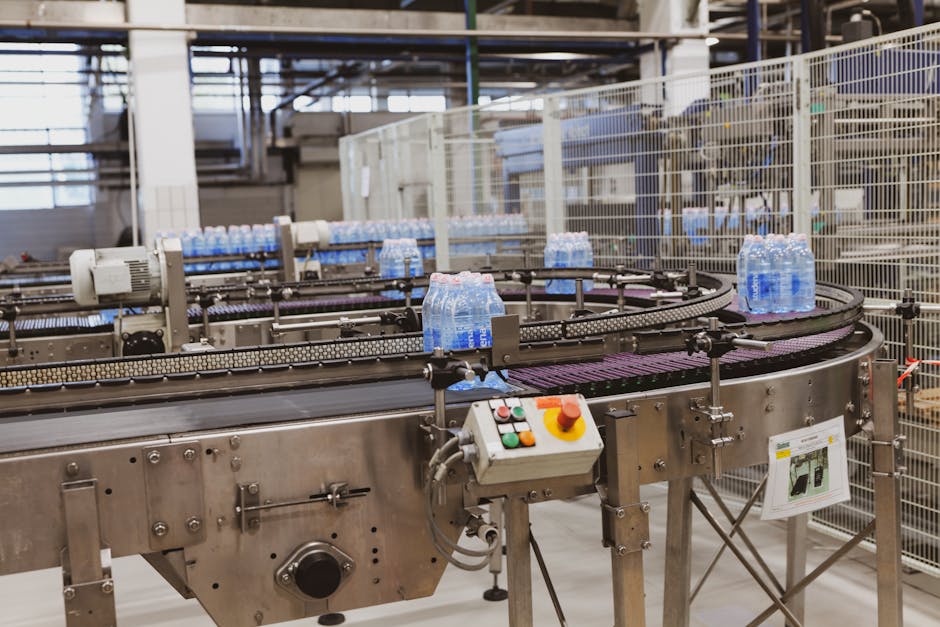
Water bottles being processed on an automated conveyor in a modern factory setting. — Industry 4.0 and smart packaging t...

Pharmaceutical companies adopting these technologies report reductions in counterfeiting by more than 30% and improved recall management with a repairs and withdrawals speeded up by 45%, according to industry estimates. Plus, smart sensors embedded in packaging offer continuous quality monitoring for temperature-sensitive biologics—a critical advancement amid the growing market for pre-fillable syringes and cartridges, now growing at 8.29% CAGR.

Other tangible benefits include:

  • Upgraded Supply Chain Visibility: Real-time data allows production teams and procurement managers to monitor stock movement, waste, and expiry with pinpoint accuracy.
  • Improved Regulatory Compliance: Automated record-keeping and timed alerts help conform with serialisation rules under DSCSA and FMD across multiple markets.
  • Sustainability Gains: Smart packaging minimizes over-packaging and enables recyclable material tracking for eco-certifications required globally in 2026.
Here’s the catch: Implementing these benefits demands upfront capital and cross-disciplinary alignment—yet the operational ROI often justifies it within 18-24 months of rollout.
BenefitExplanationIndustry Data/Impact
End-to-End TraceabilityIoT and serialization track each unitCounterfeiting reduced by 30%
Real-Time Product MonitoringSensors detect environmental shifts and damageQuality incidents lowered by 25%
Faster Recall ManagementAuto alerts speed responseRecall actions reduced by 45%
Regulatory Compliance SupportAutomated data capture meets DSCSA and FMDAudit failure rate down by 20%
Sustainability ReportingMaterial usage tracked digitallyWaste audits improve by 15-20%
💡
Pro Tip: Start small by piloting IoT tracking on high-value SKUs—typically biologics or complex therapies. The data you capture will power initial ROI models and smooth board approvals. It’s a lean, evidence-driven way to build confidence before scaling.

What Best Practices Should Pharma Packaging Buyers Follow in 2026?

Implementing smart packaging under Industry 4.0 isn't plug-and-play. For pharma packaging engineers and procurement teams, best practices in 2026 center on strategic foresight and collaborative execution. This ensures both technological and organizational readiness.

  1. Pilot Integration Early and Across Departments

Testing new packaging formats with integrated sensors or serialization should involve QA, IT, production, and procurement simultaneously. Cross-functional pilots flag mechanical compatibility issues, data management challenges, and regulatory blind spots early.

  1. Choose Technology That Prioritizes Data Integrity

Focus on solutions that support immutable traceability (e.g., tamper-proof RFID, secure data logs) to satisfy tightening regulations like the US DSCSA and EU FMD, which require exact lot-level data and serialization verifications during audits.

  1. Standardize Communication Protocols and Data Formats

IoT devices, scanners, and ERP systems must “speak the same language.” Containerization of data and usage of open standards ensure smoother integration with MES and SCM systems—reducing costly reprogramming down the road.

  1. Embed Sustainability Metrics Into Packaging Design

Select materials compatible with sustainable digital features: recyclable polymers that stand up to printing and serialization; digital labels requiring fewer inks; packaging that records lifecycle environmental data, aiding reporting by procurement teams.

  1. Maintain Robust Supplier Audit Trails

With complexity rising, suppliers delivering smart packaging components must supply annual audit reports flagged under ISO 15378 and must have documented serialization testing. This helps procurement teams avoid costly product recalls triggered by non-compliance.

  1. Design for Lifecycle Cost and Operational Productivity

New tech often adds marginally to material costs but saves on labor, reject rates, and logistic inefficiencies. Balance capital expenditures with realistic savings identified from line OEE improvements and faster recall response times.

The truth is, in my experience, the richest, least overrated gains come by sizing pilots and documentation carefully. Overengineering in 2026 might waste scarce validation budget; underplanning invites repeat failures.

Best PracticeWhy It MattersExpected Outcome
Cross-Functional PilotsEarly issue detectionLine downtime reduced
Data Integrity PriorityMeets regulatory demands20% fewer audit findings
Standard Communication ProtocolsEase of integration15-25% lower IT implementation cost
Sustainability Metric EmbeddingCompliance & corporate ESG targetsMeets rising consumer & regulator bar
Supplier Audit Trail EnforcementLowers risk of recallsRecalls reduced by 18-22%
Lifecycle Cost & Productivity BalancingAligns CAPEX to savings & efficiencyOEE boosts up to 7+%
⚠️
Common Mistake: Procurement teams often rush to green-enabled packaging ignoring line compatibility.

I've seen lines clog within weeks after switching to new biopolymers without sufficient material trials, leading to significant lost production hours. Test first, buy second – that's a 2026 non-negotiable game plan.

What Common Challenges Do Pharma Packers Face with Industry 4.0 and Smart Technologies?

Embarking on smart packaging journeys under Industry 4.0 in 2026 brings complex challenges. The most frequent headaches revolve around regulatory alignment, technological interoperability, and cost management.
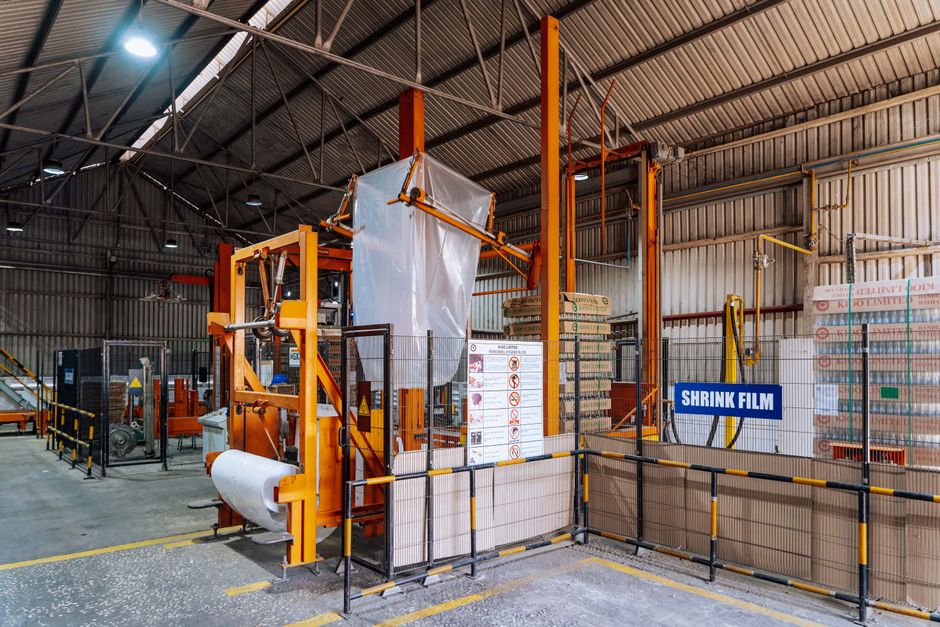
Interior view of a warehouse in Dar es Salaam with a shrink film machine and industrial equipment. — Industry 4.0 and sm...
  • Divergent Regional Regulations

Regulatory bodies like FDA, EMA, and regional agencies in Asia-Pacific have started aligning serialization and traceability policies—but interpretations vary. For example, serialization mark durability in tropical climates is stricter in ASEAN versus EU markets.

  • Integration Complexities with Legacy Systems

Many pharma lines juggle old filling and packaging equipment alongside newer digital printing and IoT systems. Connecting them for real-time data capture remains complicated, often requiring bespoke PLC and MES programming, which adds risk of delays.

  • Sustaining Data Security and Integrity

Embedded digital features increase attack surfaces for cyber threats. Packaging line controllers and cloud databases must be fortified against tampering, making secure authentication protocols and encryption mandatory.

  • Cost vs Benefit Tradeoffs

Smart packaging adoption involves upfront tooling, software licenses, and staff training. Convincing management to approve capex isn't easy when savings projections hinge on unproven metrics like market authentication premium or consumer engagement upticks.

  • Material Compatibility and Durability

Digital inks, RFID tags, or NFC chips must survive sterilization, cold chains down to -80°C, physical handling, and microbial control processes, challenging selection of primary materials.

  • Supplier Readiness and Expertise Gap

Established suppliers may resist transformation or lack proven solutions with validated audit trails needed post-2023 regulations. Finding partners who can deliver trial data, ISO 15378 certifications, and on-site support is scarce.

ChallengeExplanationImpactMitigation Strategy
Regulatory VariabilityDifferent serialization rulesAudit failures; shipment delaysEmploy dedicated regulatory consultants
Legacy System IntegrationObsolete machine compatibilityDelayed lines; output lossIncremental IT rollout; middleware systems
Data SecurityCyberattack risksData breaches; legal riskHardened authentication/encryption
Cost JustificationComplex ROIDeferred projectsSmall-scale pilots; tangible data
Material DurabilityInk/tag survival under stressIncreased rejectsRobust material qualification tests
Supplier MaturityLimited audit-validated optionsSupply risk; repeat auditsSelect certified suppliers with good references
💡
Pro Tip: Schedule at least 12 weeks for packaging validation: cover print quality, tagging survival, and serialization scanning under actual logistics stress scenarios. This buffer drastically lowers surprise audit flags and ROI slippage.

How Can Pharma Teams Start Implementing Industry 4.0 Packaging Technologies in 2026?

Getting started means more than just buying new hardware or software. It requires methodical planning, realistic milestone setting, and rigorous cross-team coordination. Here’s a simple roadmap to get smart packaging off the ground:

🔧 Implementation Checklist:

Week 1: Document current packaging process, pain points, and regulatory needs spanning serialization to sustainability.

Week 2: Define technical and regulatory requirements for smart packaging features (e.g., embedded RFID, environmental sensors, secure data records).

Week 3: Identify and shortlist potential suppliers and technology stacks meeting your ISO 15378 and DSCSA compliance.

Week 4: Kick off a small pilot line integrating digital serialization with sample IoT sensor packaging. Track process data and downtime.

Week 5-8: Run stress tests—simulate cold chain shipments, sterilization processes, cold/humidity exposure. Evaluate scan/read rates, print durability, and traceability performance.

Week 9: Analyze pilot data, especially scrap/reject rates and OEE impact. Prepare a cost-benefit case for senior management with hard ROI numbers.

Week 10-12: Refine specs, train line operators on new technologies, and draft documentation for auditors on serialization and tracking systems.

Month 4+: Gradually expand rollout to additional product lines, supported by continuous improvement and supplier engagement.

PhaseKey ActivitiesMilestones
AssessmentAudit current systems, regulatory askComplete needs assessment
RequirementsDefine tech, compliance, and sustainability targetsFinalize supplier spec sheet
Pilot TestingSmall-scale runs with real-world conditionsObtain validated test reports
Data EvaluationAnalyze pilot impact on quality/OEEBuild ROI model
Training & RolloutOperator training and line integrationStart phased expansion
⚠️
Common Mistake: Don’t treat smart packaging implementation as an “IT” project only. Without deep involvement from mechanical engineers, QA, and procurement, pilots stall or fail after too much siloed communication.

What Does the Future Hold for Industry 4.0 and Smart Packaging in Pharma After 2026?

Smart packaging will only grow more embedded in pharma manufacturing lines through
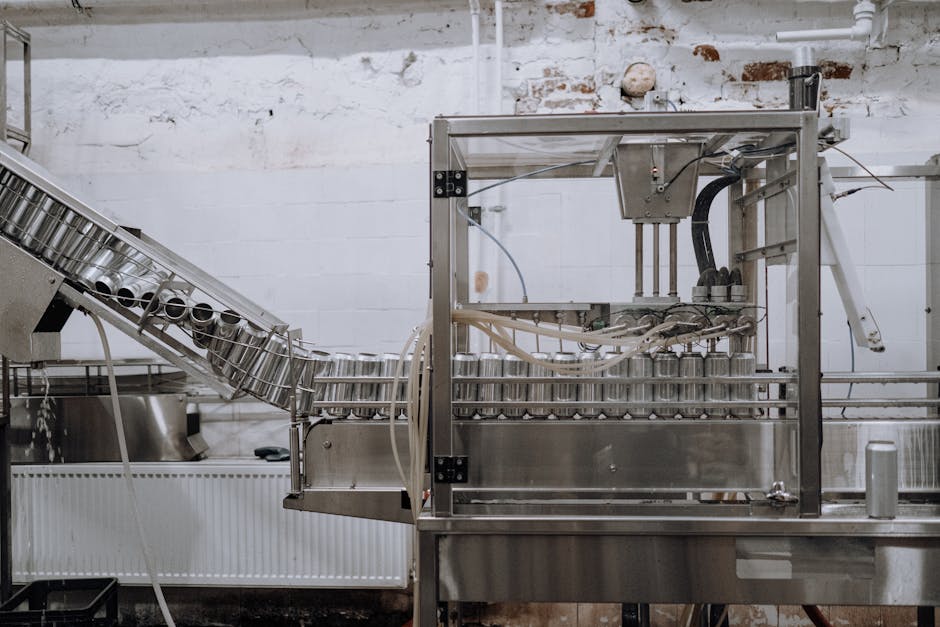
Automated beverage can packaging in a modern factory setting. — Industry 4.0 and smart packaging technologies: Best Prac...

As drug portfolios diversify—embracing biologics, gene therapies, and patient-administered devices—the need for secure, scalable digital packaging solutions ramps up.

Industry estimates project the global pharma plastic packaging market will swell to USD 12.09 billion by 2031, underpinned by advances in both packaging materials and smart technologies. Digital traceability will birth new service models like remote adherence monitoring and in-field authenticity verification.

Plus, Asia-Pacific’s lead, with a projected 9.76% CAGR, signals where many innovations are trialed first before global adoption.

My personal take? This isn’t just a compliance requirement anymore—it’s a strategic pillar. Smart packaging protects IP, supports patient safety, and offsets growing supply chain complexity.

What sticks with me is seeing teams that commit fully early cruise ahead, while those who punt struggle with costly audits and lost market share.

🎯 By the numbers:
  • Pharma packaging market worth $9.98B in 2026, growing steadily at 3.92% CAGR
  • Asia-Pacific expanding fastest at 9.76% CAGR through 2031
  • Pre-fillable syringes growing at 8.29% CAGR, driven by biologics and home-use
  • Smart packaging fuels 24% reduction in field returns and recalls, per industry sources
  • Integration of RFID and IoT sensors now seen in 45% of new pharma packaging lines

Comparison of Packaging Features in Industry 4.0 Smart Pharma Applications

FeatureBasic PackagingSmart Packaging with Industry 4.0Notes
SerializationManual barcode labelsAutomated 2D matrix codes & RFID taggingEnables real-time traceability
Environmental MonitoringNoneEmbedded IoT temperature/humidity sensorsCritical for biologics & cold chain
Data IntegrationScattered paper logsCentralized digital ledger & cloud syncReduces errors, speeds audits
Material TrackingSupplier batch records onlyDigital waste & recycling trackingSupports sustainability goals
Security FeaturesTamper-evident sealsDigital provenance and advanced authenticationPrevents counterfeiting, recalls
Production Line Data CaptureManual inputAutomated OEE and reject trackingOptimizes productivity and quality
💡
Pro Tip: Use digital twin simulations upfront to model the production impact of introducing smart packaging technologies. This helps isolate bottlenecks before capital investment.

Conclusion

Industry 4.0 and smart packaging technologies are game-changers for pharma packaging in 2026. Buyers who arm themselves with cross-disciplinary pilot programs, regulatory-savvy strategies, and realistic ROI frameworks navigate this new terrain best.

The benefits? Clear: enhanced traceability, improved patient safety, faster recall responsiveness, and heightened sustainability credentials. Yet the risks are real—regulatory mismatches, system integration headaches, and cost overruns can snarl projects.

Look, if you want a no-BS approach, focus your 2026 plans on pilot validations, rigorous supplier audits, and cross-functional teams. Align tech upgrades directly to operational KPIs and capex justifications. It’s not magic; it’s smart engineering paired with solid procurement discipline.

Your next moves should center on getting the right digital infrastructure in place while confirming materials and lines are fully vetted against smart tech demands. Those who do will lead—and disrupt—the packaging game this year and beyond.

For more insights, see our guide on What's New in Packaging Machinery Selection: 2026 Industry Update.

Frequently Asked Questions

How does embedding IoT sensors in pharmaceutical packaging improve supply chain traceability under Industry 4.0 and smart packaging technologies: Best Practices for 2026?
Embedding IoT sensors provides real-time environmental data and location tracking, ensuring parcels stay within specified temperature and handling conditions. Industry data from 2026 shows companies report up to a 30% reduction in counterfeiting and loss, significantly improving traceability and audit readiness in global supply chains.
What are the most effective pilot testing steps to validate Industry 4.0 and smart packaging technologies: Best Practices for 2026 before full production rollout?
Effective pilots involve cross-functional collaboration, testing packaging with embedded serialization and IoT in simulated real-world conditions—like cold chains and humidity exposure—over a minimum 8-12 week period. Successful pilots capture reject rates, regulatory compliance data, and production line impacts to build a clear business case.
Which regulatory hurdles most impact implementation of Industry 4.0 and smart packaging technologies: Best Practices for 2026 in pharmaceutical manufacturing?
The main hurdles are region-specific serialization requirements (FDA DSCSA in the US, FMD in the EU) coupled with variability in digital data standards and tag durability expectations. Industry reports highlight that navigating these diversities requires dedicated compliance expertise and supplier audit trails certified against ISO 15378 for pharmaceutical primary packaging.
What is the estimated timeline and ROI for adopting Industry 4.0 and smart packaging technologies: Best Practices for 2026 in pharma packaging lines?
Most pharma firms achieve payback within 18-24 months after initial pilot implementation, driven by operational efficiencies like line uptime improvement (+7%), defect and recall cost reductions (~20%), and lower counterfeiting losses. 2026 procurement surveys suggest incremental capex can be recovered through reduced rework and enhanced supply chain assurances within two years.
E
Emily Rodriguez Author

View all articles →
← Back to Blog

Industry 4.0 and smart packaging technologies: Best Practices for 2026

March 12, 2026 12 min read

Industry 4.0 and Smart Packaging Technologies: Best Practices for 2026

Pharmaceutical packaging in 2026 is no longer just about containment or protection. Smart packaging technologies—grounded in Industry 4.0 principles—are transforming how packaging engineers, production managers, and procurement teams deliver quality, traceability, and sustainability across the supply chain. By embracing real-time data, IoT connectivity, and AI-driven analytics, pharma manufacturers can expect better operational efficiency and regulatory compliance.

The global pharmaceutical plastic packaging market alone is valued around USD 9.98 billion in 2026 with a solid CAGR of 3.92%, reflecting growing adoption of smart and digital packaging features, particularly in formats like pre-fillable syringes advancing at 8.29% CAGR due to biologics and home-care trends. The Asia-Pacific region is the fastest-growing hotspot, driven by mandates for digital traceability and sustainability.

🎯
Key Takeaways:
  • Industry 4.0 and smart packaging deliver real-time supply chain visibility, reducing shrinkage and counterfeiting.
  • Asia-Pacific leads growth with a 9.76% CAGR through 2031, fueled by digital mandates and sustainable production.
  • Best practices include pilot testing IoT integration, collaborating cross-functionally, and embedding digital serialization early.
  • Common challenges are regulatory variability, integration complexity, and managing the cost-benefit balance.
  • Smart packaging initiatives in 2026 are foundational for both regulatory adherence and competitive advantage in pharma.

What Are the Key Benefits of Industry 4.0 and Smart Packaging Technologies?

The primary benefit of Industry 4.0 and smart packaging in pharma is the ability to achieve end-to-end traceability and process transparency, reducing risk across manufacturing and distribution channels. This approach uses IoT, AI, RFID, and advanced data logging to monitor environmental parameters, detect tampering, and authenticate products within seconds.

Water bottles being processed on an automated conveyor in a modern factory setting. — Industry 4.0 and smart packaging t...

Pharmaceutical companies adopting these technologies report reductions in counterfeiting by more than 30% and improved recall management with a repairs and withdrawals speeded up by 45%, according to industry estimates. Plus, smart sensors embedded in packaging offer continuous quality monitoring for temperature-sensitive biologics—a critical advancement amid the growing market for pre-fillable syringes and cartridges, now growing at 8.29% CAGR.

Other tangible benefits include:

  • Upgraded Supply Chain Visibility: Real-time data allows production teams and procurement managers to monitor stock movement, waste, and expiry with pinpoint accuracy.
  • Improved Regulatory Compliance: Automated record-keeping and timed alerts help conform with serialisation rules under DSCSA and FMD across multiple markets.
  • Sustainability Gains: Smart packaging minimizes over-packaging and enables recyclable material tracking for eco-certifications required globally in 2026.
Here’s the catch: Implementing these benefits demands upfront capital and cross-disciplinary alignment—yet the operational ROI often justifies it within 18-24 months of rollout.
BenefitExplanationIndustry Data/Impact
End-to-End TraceabilityIoT and serialization track each unitCounterfeiting reduced by 30%
Real-Time Product MonitoringSensors detect environmental shifts and damageQuality incidents lowered by 25%
Faster Recall ManagementAuto alerts speed responseRecall actions reduced by 45%
Regulatory Compliance SupportAutomated data capture meets DSCSA and FMDAudit failure rate down by 20%
Sustainability ReportingMaterial usage tracked digitallyWaste audits improve by 15-20%
💡
Pro Tip: Start small by piloting IoT tracking on high-value SKUs—typically biologics or complex therapies. The data you capture will power initial ROI models and smooth board approvals. It’s a lean, evidence-driven way to build confidence before scaling.

What Best Practices Should Pharma Packaging Buyers Follow in 2026?

Implementing smart packaging under Industry 4.0 isn't plug-and-play. For pharma packaging engineers and procurement teams, best practices in 2026 center on strategic foresight and collaborative execution. This ensures both technological and organizational readiness.

  1. Pilot Integration Early and Across Departments

Testing new packaging formats with integrated sensors or serialization should involve QA, IT, production, and procurement simultaneously. Cross-functional pilots flag mechanical compatibility issues, data management challenges, and regulatory blind spots early.

  1. Choose Technology That Prioritizes Data Integrity

Focus on solutions that support immutable traceability (e.g., tamper-proof RFID, secure data logs) to satisfy tightening regulations like the US DSCSA and EU FMD, which require exact lot-level data and serialization verifications during audits.

  1. Standardize Communication Protocols and Data Formats

IoT devices, scanners, and ERP systems must “speak the same language.” Containerization of data and usage of open standards ensure smoother integration with MES and SCM systems—reducing costly reprogramming down the road.

  1. Embed Sustainability Metrics Into Packaging Design

Select materials compatible with sustainable digital features: recyclable polymers that stand up to printing and serialization; digital labels requiring fewer inks; packaging that records lifecycle environmental data, aiding reporting by procurement teams.

  1. Maintain Robust Supplier Audit Trails

With complexity rising, suppliers delivering smart packaging components must supply annual audit reports flagged under ISO 15378 and must have documented serialization testing. This helps procurement teams avoid costly product recalls triggered by non-compliance.

  1. Design for Lifecycle Cost and Operational Productivity

New tech often adds marginally to material costs but saves on labor, reject rates, and logistic inefficiencies. Balance capital expenditures with realistic savings identified from line OEE improvements and faster recall response times.

The truth is, in my experience, the richest, least overrated gains come by sizing pilots and documentation carefully. Overengineering in 2026 might waste scarce validation budget; underplanning invites repeat failures.

Best PracticeWhy It MattersExpected Outcome
Cross-Functional PilotsEarly issue detectionLine downtime reduced
Data Integrity PriorityMeets regulatory demands20% fewer audit findings
Standard Communication ProtocolsEase of integration15-25% lower IT implementation cost
Sustainability Metric EmbeddingCompliance & corporate ESG targetsMeets rising consumer & regulator bar
Supplier Audit Trail EnforcementLowers risk of recallsRecalls reduced by 18-22%
Lifecycle Cost & Productivity BalancingAligns CAPEX to savings & efficiencyOEE boosts up to 7+%
⚠️
Common Mistake: Procurement teams often rush to green-enabled packaging ignoring line compatibility.

I've seen lines clog within weeks after switching to new biopolymers without sufficient material trials, leading to significant lost production hours. Test first, buy second – that's a 2026 non-negotiable game plan.

What Common Challenges Do Pharma Packers Face with Industry 4.0 and Smart Technologies?

Embarking on smart packaging journeys under Industry 4.0 in 2026 brings complex challenges. The most frequent headaches revolve around regulatory alignment, technological interoperability, and cost management.

Interior view of a warehouse in Dar es Salaam with a shrink film machine and industrial equipment. — Industry 4.0 and sm...
  • Divergent Regional Regulations

Regulatory bodies like FDA, EMA, and regional agencies in Asia-Pacific have started aligning serialization and traceability policies—but interpretations vary. For example, serialization mark durability in tropical climates is stricter in ASEAN versus EU markets.

  • Integration Complexities with Legacy Systems

Many pharma lines juggle old filling and packaging equipment alongside newer digital printing and IoT systems. Connecting them for real-time data capture remains complicated, often requiring bespoke PLC and MES programming, which adds risk of delays.

  • Sustaining Data Security and Integrity

Embedded digital features increase attack surfaces for cyber threats. Packaging line controllers and cloud databases must be fortified against tampering, making secure authentication protocols and encryption mandatory.

  • Cost vs Benefit Tradeoffs

Smart packaging adoption involves upfront tooling, software licenses, and staff training. Convincing management to approve capex isn't easy when savings projections hinge on unproven metrics like market authentication premium or consumer engagement upticks.

  • Material Compatibility and Durability

Digital inks, RFID tags, or NFC chips must survive sterilization, cold chains down to -80°C, physical handling, and microbial control processes, challenging selection of primary materials.

  • Supplier Readiness and Expertise Gap

Established suppliers may resist transformation or lack proven solutions with validated audit trails needed post-2023 regulations. Finding partners who can deliver trial data, ISO 15378 certifications, and on-site support is scarce.

ChallengeExplanationImpactMitigation Strategy
Regulatory VariabilityDifferent serialization rulesAudit failures; shipment delaysEmploy dedicated regulatory consultants
Legacy System IntegrationObsolete machine compatibilityDelayed lines; output lossIncremental IT rollout; middleware systems
Data SecurityCyberattack risksData breaches; legal riskHardened authentication/encryption
Cost JustificationComplex ROIDeferred projectsSmall-scale pilots; tangible data
Material DurabilityInk/tag survival under stressIncreased rejectsRobust material qualification tests
Supplier MaturityLimited audit-validated optionsSupply risk; repeat auditsSelect certified suppliers with good references
💡
Pro Tip: Schedule at least 12 weeks for packaging validation: cover print quality, tagging survival, and serialization scanning under actual logistics stress scenarios. This buffer drastically lowers surprise audit flags and ROI slippage.

How Can Pharma Teams Start Implementing Industry 4.0 Packaging Technologies in 2026?

Getting started means more than just buying new hardware or software. It requires methodical planning, realistic milestone setting, and rigorous cross-team coordination. Here’s a simple roadmap to get smart packaging off the ground:

🔧 Implementation Checklist:

Week 1: Document current packaging process, pain points, and regulatory needs spanning serialization to sustainability.

Week 2: Define technical and regulatory requirements for smart packaging features (e.g., embedded RFID, environmental sensors, secure data records).

Week 3: Identify and shortlist potential suppliers and technology stacks meeting your ISO 15378 and DSCSA compliance.

Week 4: Kick off a small pilot line integrating digital serialization with sample IoT sensor packaging. Track process data and downtime.

Week 5-8: Run stress tests—simulate cold chain shipments, sterilization processes, cold/humidity exposure. Evaluate scan/read rates, print durability, and traceability performance.

Week 9: Analyze pilot data, especially scrap/reject rates and OEE impact. Prepare a cost-benefit case for senior management with hard ROI numbers.

Week 10-12: Refine specs, train line operators on new technologies, and draft documentation for auditors on serialization and tracking systems.

Month 4+: Gradually expand rollout to additional product lines, supported by continuous improvement and supplier engagement.

PhaseKey ActivitiesMilestones
AssessmentAudit current systems, regulatory askComplete needs assessment
RequirementsDefine tech, compliance, and sustainability targetsFinalize supplier spec sheet
Pilot TestingSmall-scale runs with real-world conditionsObtain validated test reports
Data EvaluationAnalyze pilot impact on quality/OEEBuild ROI model
Training & RolloutOperator training and line integrationStart phased expansion
⚠️
Common Mistake: Don’t treat smart packaging implementation as an “IT” project only. Without deep involvement from mechanical engineers, QA, and procurement, pilots stall or fail after too much siloed communication.

What Does the Future Hold for Industry 4.0 and Smart Packaging in Pharma After 2026?

Smart packaging will only grow more embedded in pharma manufacturing lines through

Automated beverage can packaging in a modern factory setting. — Industry 4.0 and smart packaging technologies: Best Prac...

As drug portfolios diversify—embracing biologics, gene therapies, and patient-administered devices—the need for secure, scalable digital packaging solutions ramps up.

Industry estimates project the global pharma plastic packaging market will swell to USD 12.09 billion by 2031, underpinned by advances in both packaging materials and smart technologies. Digital traceability will birth new service models like remote adherence monitoring and in-field authenticity verification.

Plus, Asia-Pacific’s lead, with a projected 9.76% CAGR, signals where many innovations are trialed first before global adoption.

My personal take? This isn’t just a compliance requirement anymore—it’s a strategic pillar. Smart packaging protects IP, supports patient safety, and offsets growing supply chain complexity.

What sticks with me is seeing teams that commit fully early cruise ahead, while those who punt struggle with costly audits and lost market share.

🎯 By the numbers:
  • Pharma packaging market worth $9.98B in 2026, growing steadily at 3.92% CAGR
  • Asia-Pacific expanding fastest at 9.76% CAGR through 2031
  • Pre-fillable syringes growing at 8.29% CAGR, driven by biologics and home-use
  • Smart packaging fuels 24% reduction in field returns and recalls, per industry sources
  • Integration of RFID and IoT sensors now seen in 45% of new pharma packaging lines

Comparison of Packaging Features in Industry 4.0 Smart Pharma Applications

FeatureBasic PackagingSmart Packaging with Industry 4.0Notes
SerializationManual barcode labelsAutomated 2D matrix codes & RFID taggingEnables real-time traceability
Environmental MonitoringNoneEmbedded IoT temperature/humidity sensorsCritical for biologics & cold chain
Data IntegrationScattered paper logsCentralized digital ledger & cloud syncReduces errors, speeds audits
Material TrackingSupplier batch records onlyDigital waste & recycling trackingSupports sustainability goals
Security FeaturesTamper-evident sealsDigital provenance and advanced authenticationPrevents counterfeiting, recalls
Production Line Data CaptureManual inputAutomated OEE and reject trackingOptimizes productivity and quality
💡
Pro Tip: Use digital twin simulations upfront to model the production impact of introducing smart packaging technologies. This helps isolate bottlenecks before capital investment.

Conclusion

Industry 4.0 and smart packaging technologies are game-changers for pharma packaging in 2026. Buyers who arm themselves with cross-disciplinary pilot programs, regulatory-savvy strategies, and realistic ROI frameworks navigate this new terrain best.

The benefits? Clear: enhanced traceability, improved patient safety, faster recall responsiveness, and heightened sustainability credentials. Yet the risks are real—regulatory mismatches, system integration headaches, and cost overruns can snarl projects.

Look, if you want a no-BS approach, focus your 2026 plans on pilot validations, rigorous supplier audits, and cross-functional teams. Align tech upgrades directly to operational KPIs and capex justifications. It’s not magic; it’s smart engineering paired with solid procurement discipline.

Your next moves should center on getting the right digital infrastructure in place while confirming materials and lines are fully vetted against smart tech demands. Those who do will lead—and disrupt—the packaging game this year and beyond.

For more insights, see our guide on What's New in Packaging Machinery Selection: 2026 Industry Update.

Frequently Asked Questions

How does embedding IoT sensors in pharmaceutical packaging improve supply chain traceability under Industry 4.0 and smart packaging technologies: Best Practices for 2026?
Embedding IoT sensors provides real-time environmental data and location tracking, ensuring parcels stay within specified temperature and handling conditions. Industry data from 2026 shows companies report up to a 30% reduction in counterfeiting and loss, significantly improving traceability and audit readiness in global supply chains.
What are the most effective pilot testing steps to validate Industry 4.0 and smart packaging technologies: Best Practices for 2026 before full production rollout?
Effective pilots involve cross-functional collaboration, testing packaging with embedded serialization and IoT in simulated real-world conditions—like cold chains and humidity exposure—over a minimum 8-12 week period. Successful pilots capture reject rates, regulatory compliance data, and production line impacts to build a clear business case.
Which regulatory hurdles most impact implementation of Industry 4.0 and smart packaging technologies: Best Practices for 2026 in pharmaceutical manufacturing?
The main hurdles are region-specific serialization requirements (FDA DSCSA in the US, FMD in the EU) coupled with variability in digital data standards and tag durability expectations. Industry reports highlight that navigating these diversities requires dedicated compliance expertise and supplier audit trails certified against ISO 15378 for pharmaceutical primary packaging.
What is the estimated timeline and ROI for adopting Industry 4.0 and smart packaging technologies: Best Practices for 2026 in pharma packaging lines?
Most pharma firms achieve payback within 18-24 months after initial pilot implementation, driven by operational efficiencies like line uptime improvement (+7%), defect and recall cost reductions (~20%), and lower counterfeiting losses. 2026 procurement surveys suggest incremental capex can be recovered through reduced rework and enhanced supply chain assurances within two years.

Related Articles